From a City in Crisis to a Place for Life
Sacramento Downtown, K Street, CA
Can architecture bring life to a city?
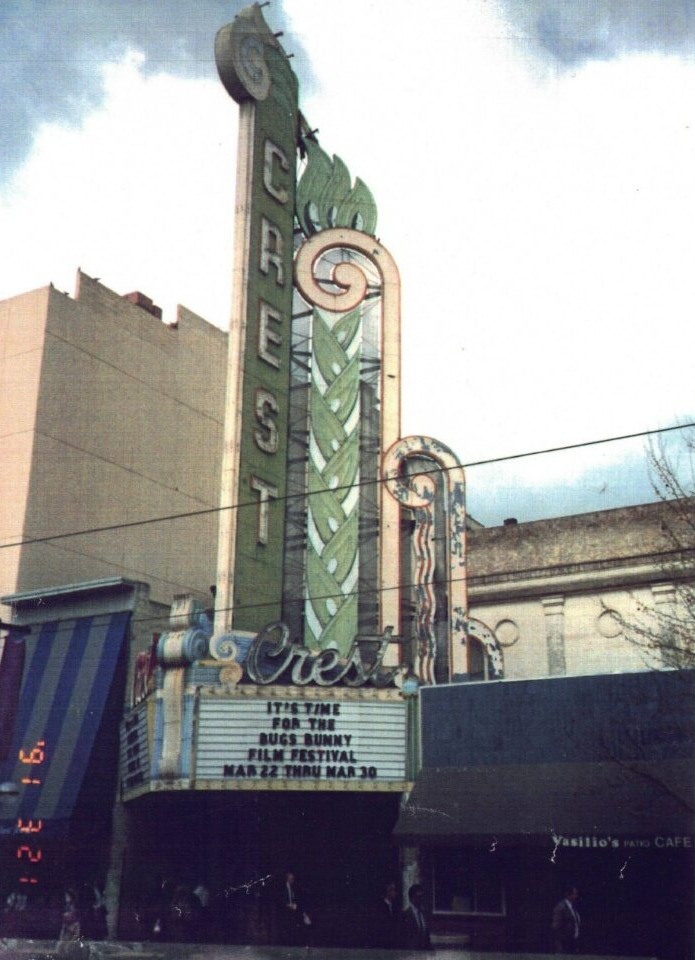
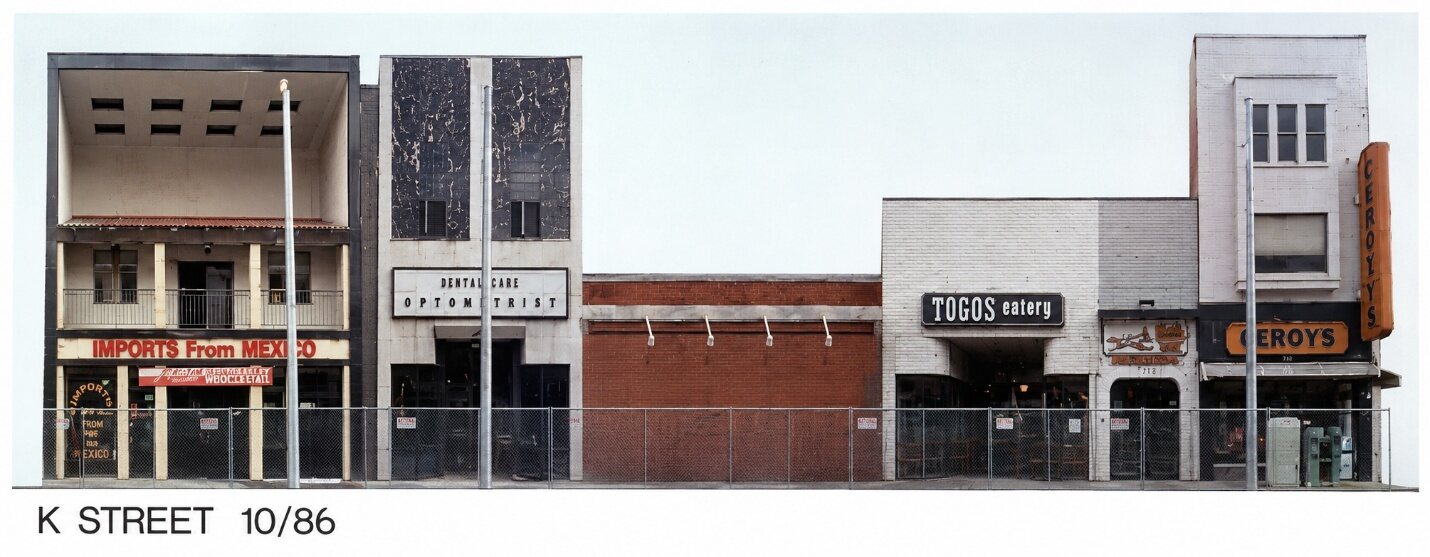
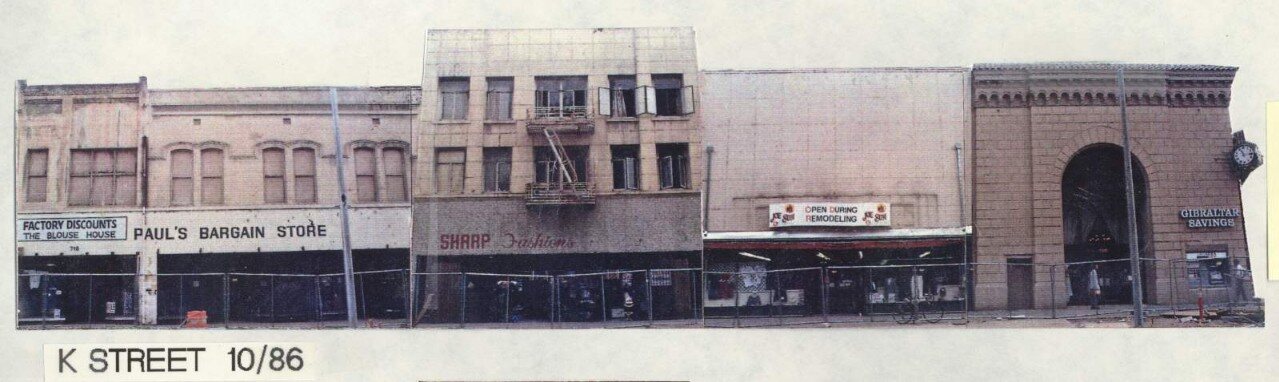
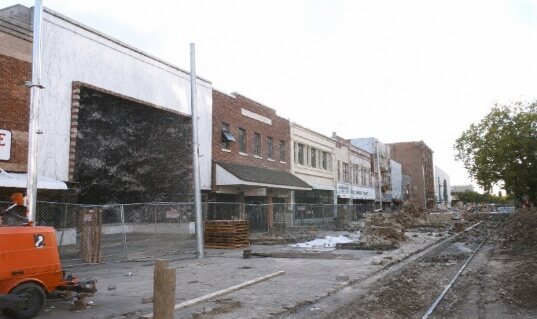
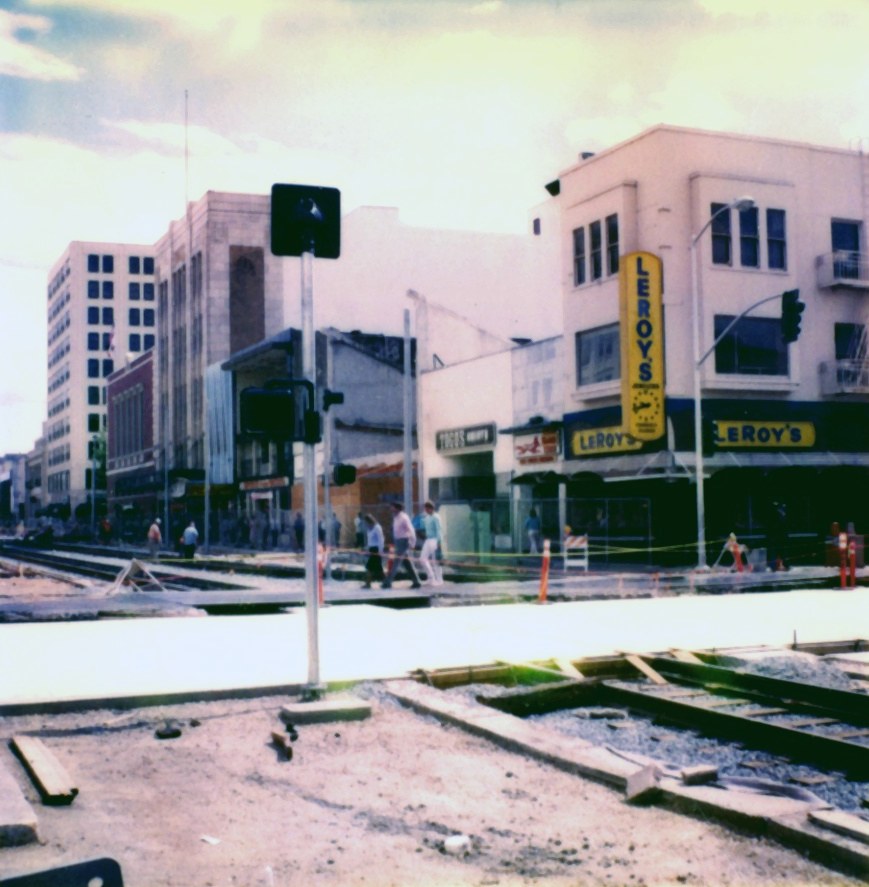
K Street had once been the historic heart of Sacramento, a place where people lived, worked, met and shared everyday life. By the 1980s, freeway construction and suburban growth had pulled people and businesses away. Vacant storefronts, boarded windows and economic decline had replaced the vitality of the historic downtown.
Something had to change.
A competition organized by the Redevelopment Agency sought a vision for bringing people back downtown. The city was considering closing K Street to automobiles and introducing light rail. Resources were limited. The challenge was larger than redesigning a street. It required connecting planning, transportation, architecture, landscape, art, business, financing, and government around a common purpose: improving people's lives.
Walking along K Street, I saw hundreds of boarded storefronts and asked myself: How can we change this image quickly and economically?
THE IDEA
Why not transform the plywood-covered storefronts into an open-air art gallery while the design guidelines were being prepared?
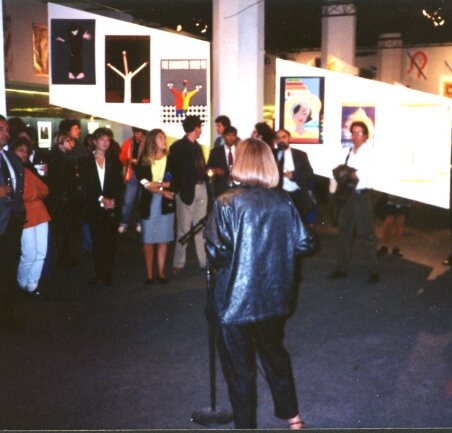
There was no funding to begin a major transformation. I had to act on my own to find poster art to cover the boarded storefronts. We needed hundreds of posters. That need led me organizing the national Poster Art of the Year competition, attracting more than 500 entries from 40 states. Its proven success gave me the idea to make the competition international and to invited UNESCO to participate. The idea became international, leading to the international competitions and exhibitions of The World's Most Memorable Poster around the world.
Urban Art International was born.
Art became the first spark.
At the same time, we researched the history of each building. Beneath layers of deteriorated materials, we found beautifully crafted brickwork and architectural details that had been hidden from view.
But the most important work was listening. Th city had to understand what was possible.
I met directly with owners and tenants, community members, recent immigrants, financial institutions and people experiencing homelessness. I worked closely with city officials, Planning Director Richard Hastings, Redevelopment/Economic Development Manager Cynthia Shallit, Deputy City Manager Thomas Lee, Mayor Anne Rudin, property developers and owners Moe Mohanna, Siddiki and others, and listened to people living on the street.
To save time I carried design materials and paper with me discussing with people ideas and sketching directly on K Street.
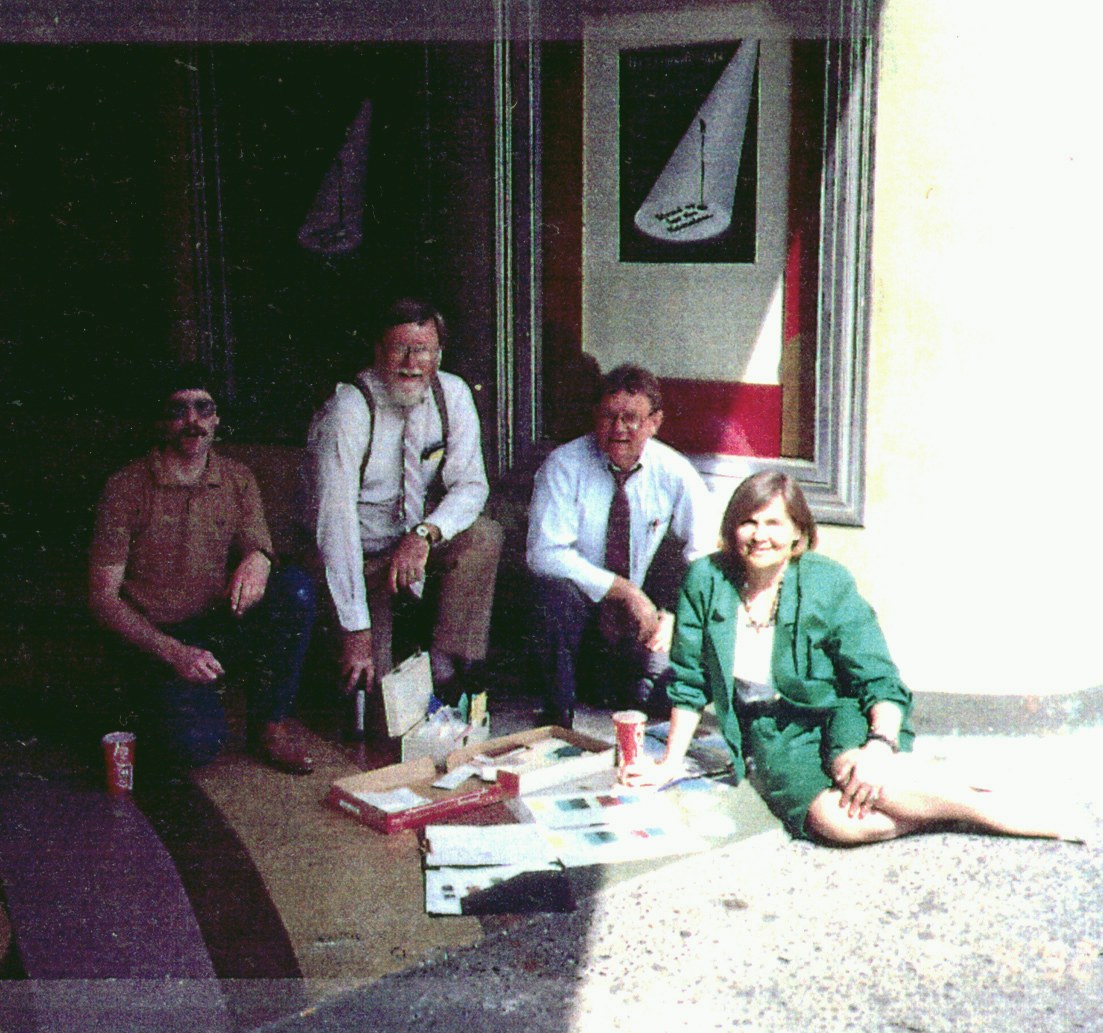
That personal involvement built Trust.
TRUST became the second spark. The city endorsed my suggestion to display the design drawings on K Street, so that the community could participate directly in the process.
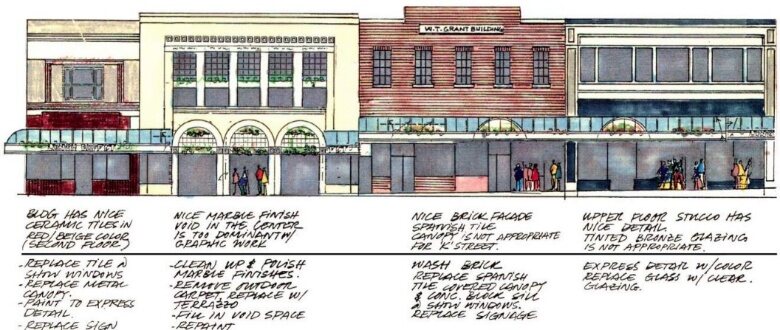
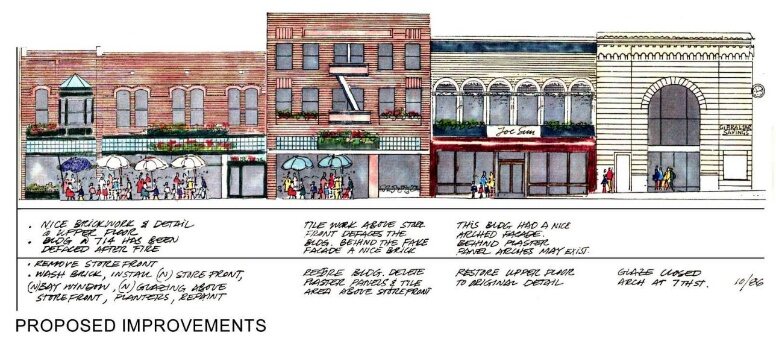
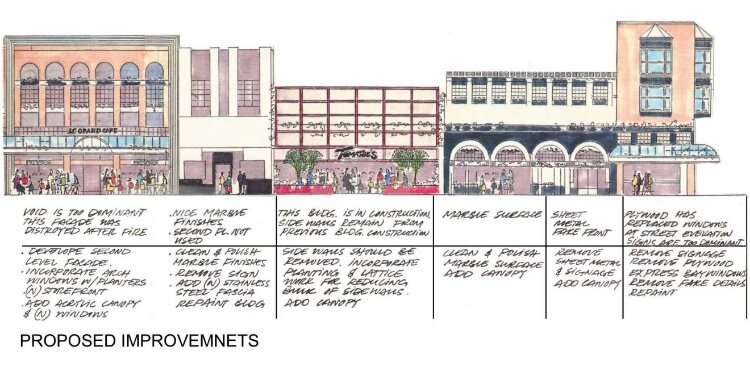
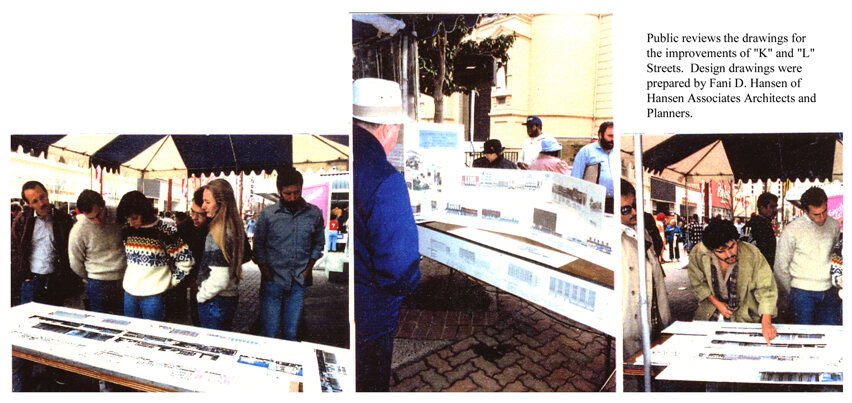
Trust began to replace discouragement. The drawings became the basis for a Design Guide, supported by the public and endorsed by the Redevelopment Agency.
The Design Guide did not attempt to make every building the same. Instead, it sought to identify the best features of each building, reveal them, improve them and achieve the greatest effect economically. Paint, sandblasting, signage, planting, lighting, awnings and new materials became tools for transforming the streetscape. As the process encouraged participation, small actions encouraged larger ones, which created momentum.
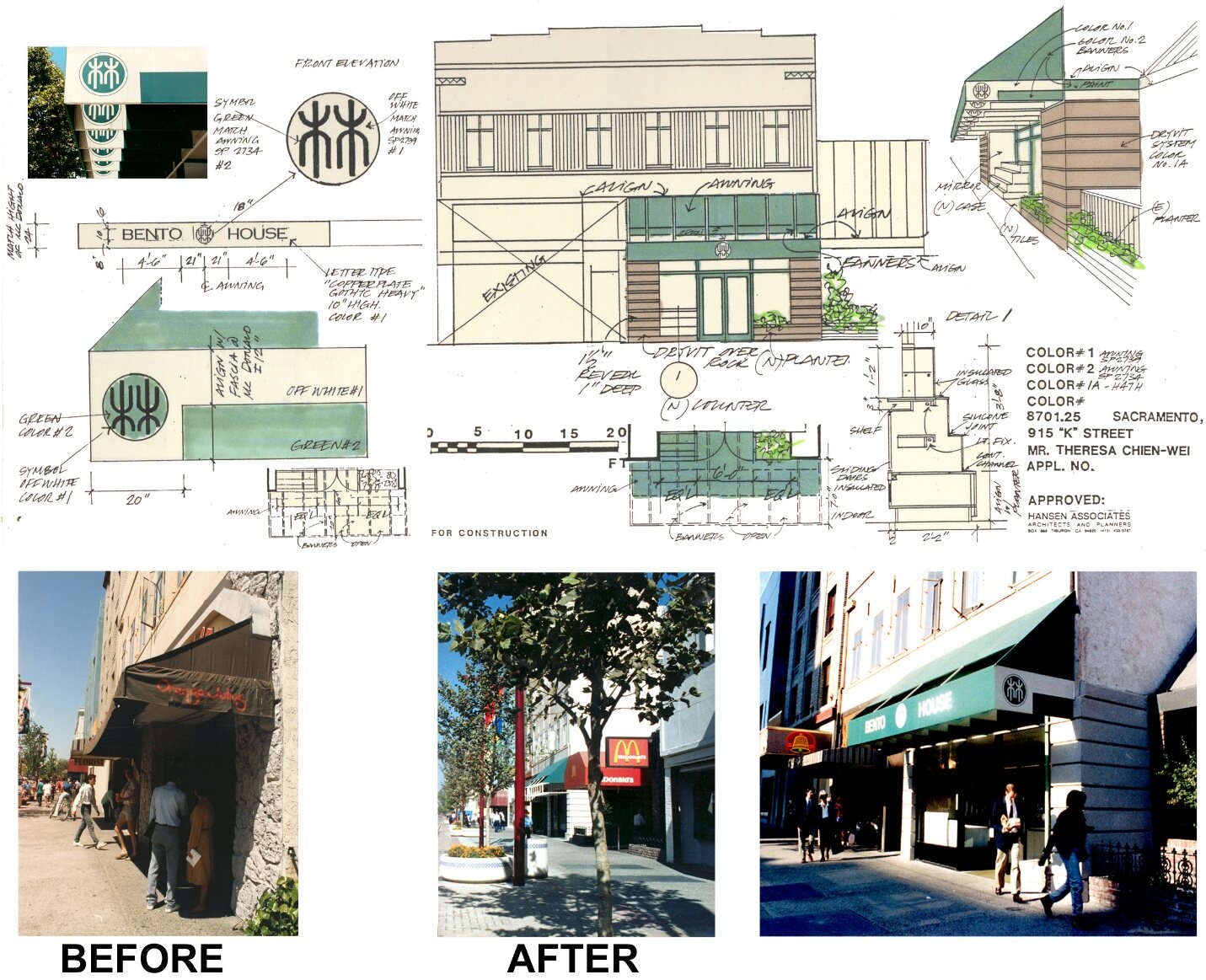
One restaurant owner was uncertain whether he could afford to improve his property. I sketched an idea on the street, selected affordable materials and colors, prepared a realistic cost estimate and explained that the final success depended on his own commitment.
He acted.
He organized neighborhood help, hired small contractors, painted the building and completed the improvements. He then went to the Redevelopment Agency himself to obtain approval.
The process also created opportunities, including people often excluded experiencing homelessness to participate in demolition, cleaning and other work, which became very helpful. Owners were able to complete necessary work economically while properties became secure.
A CITY BEGAN TO MOVE
The entire community became part of the redevelopment.
One improvement encouraged another. As confidence grew, reinvestment followed. Fragmented interests began moving toward a common objective.
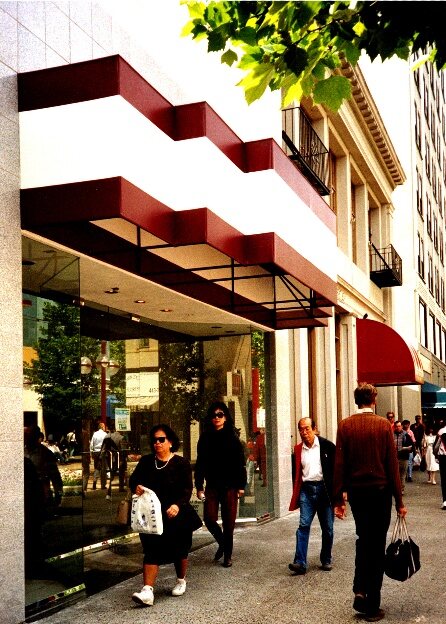
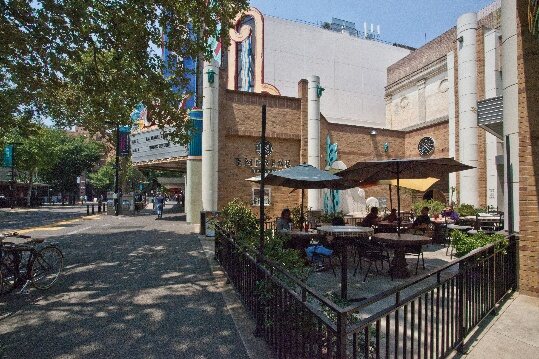
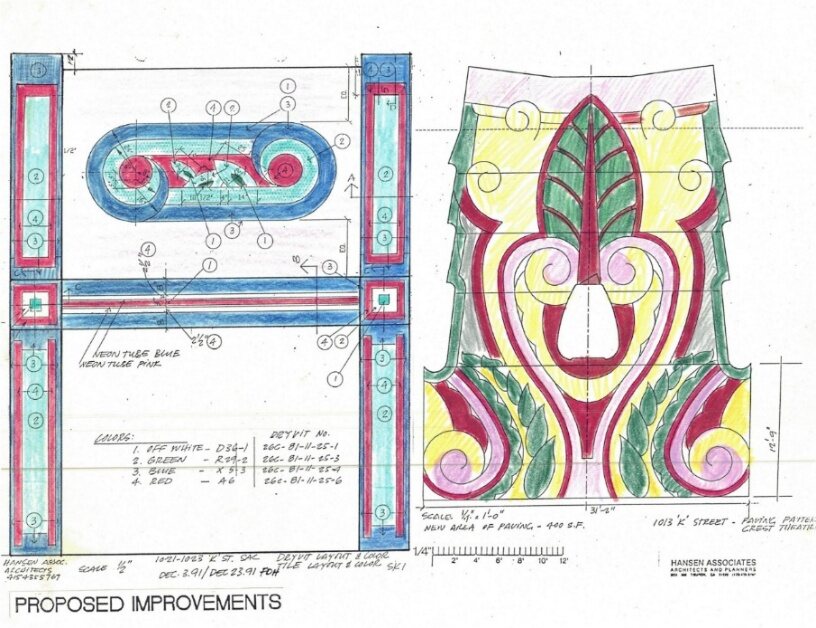
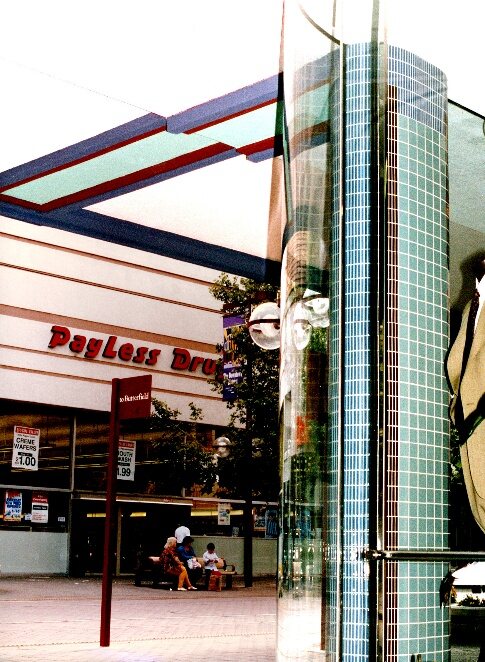
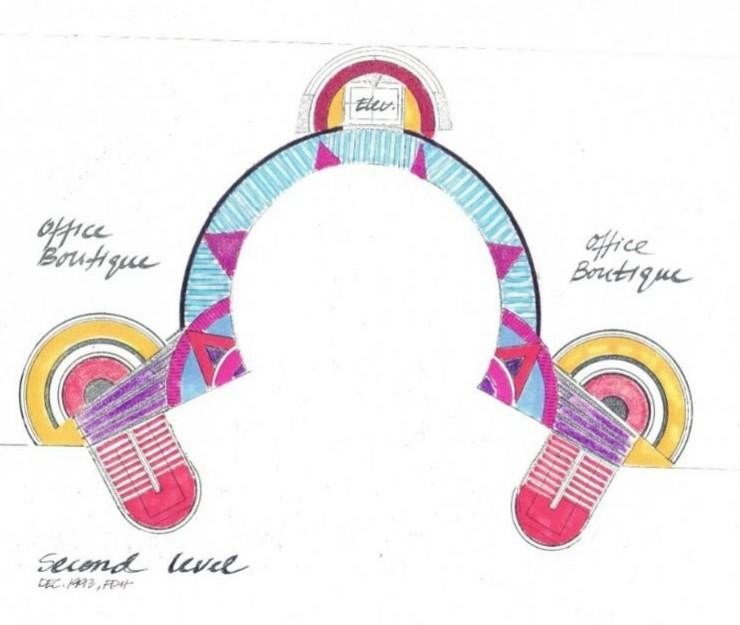
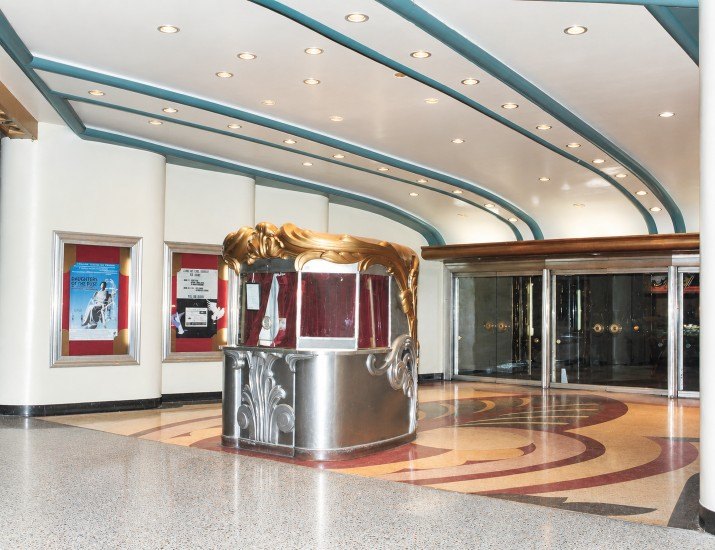
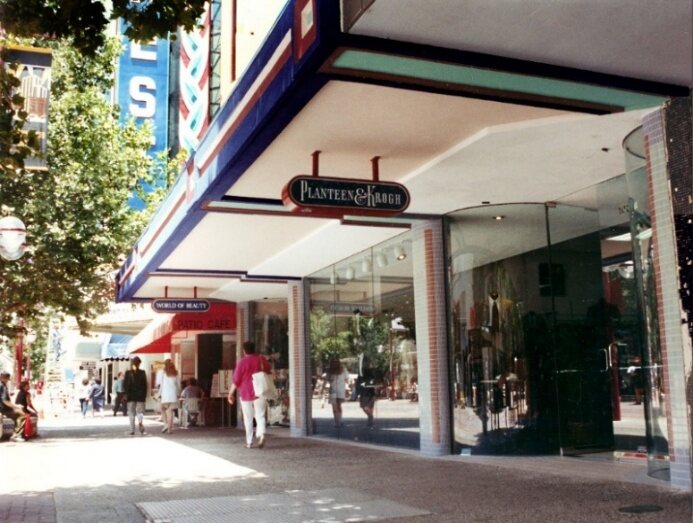
The place that once generated life on K Street, the historic Crest Theater, became an important catalyst for downtown redevelopment. Its rehabilitation, as third spark, brought Life again.
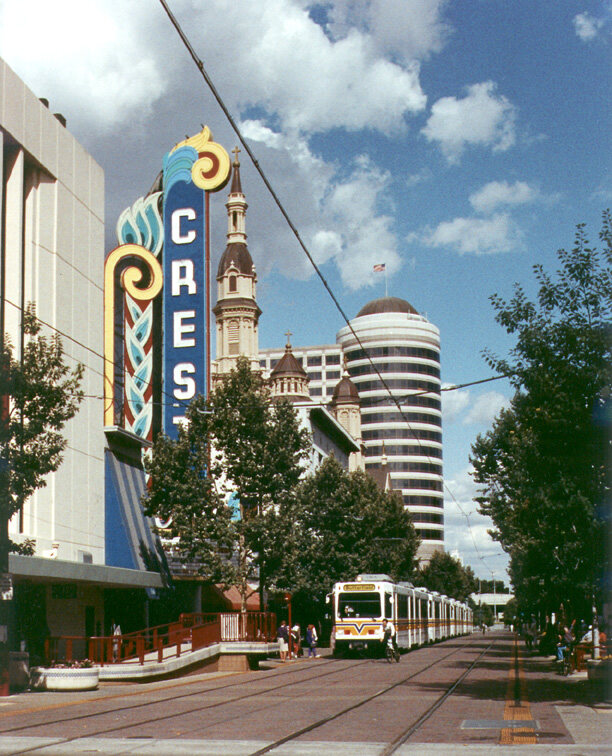
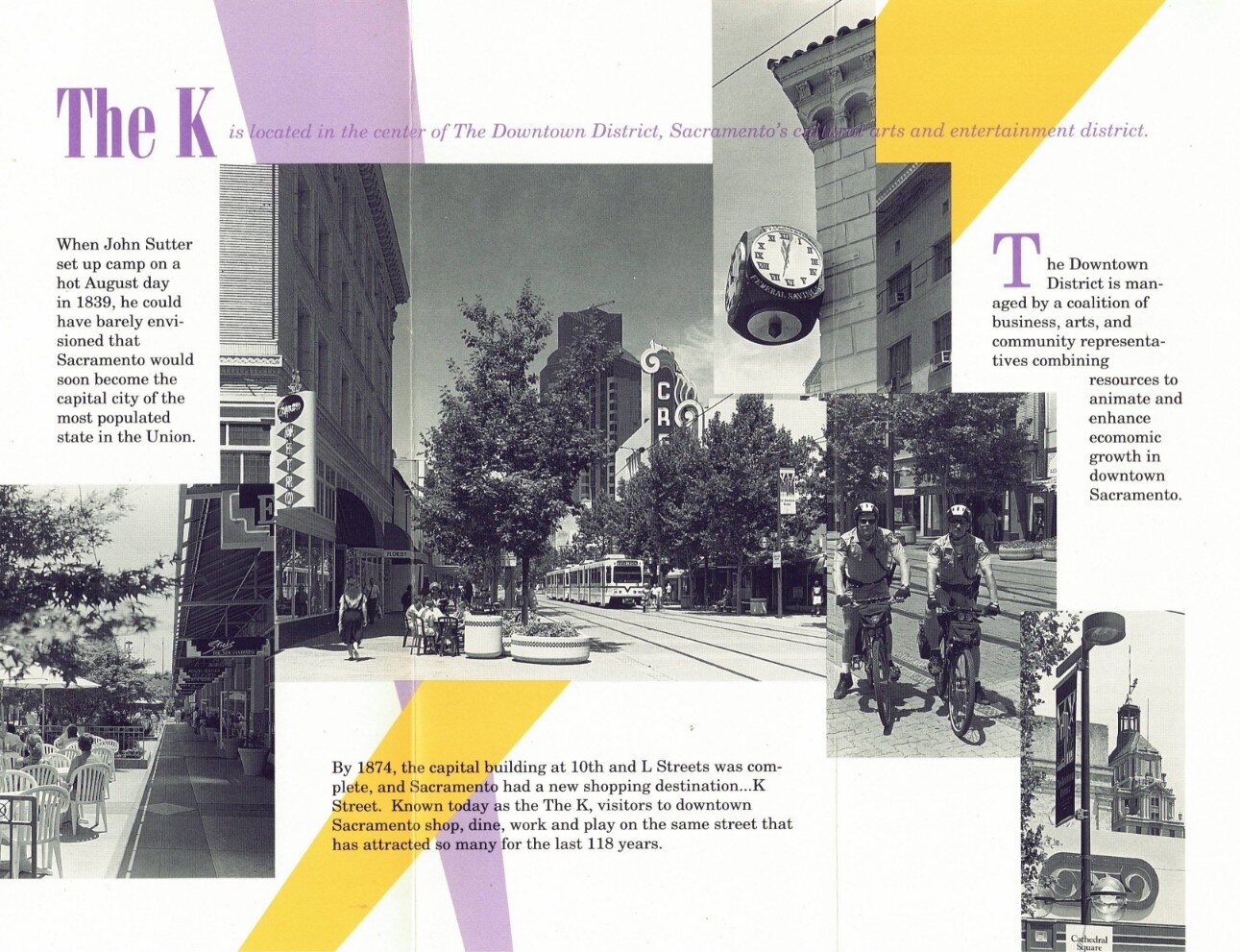
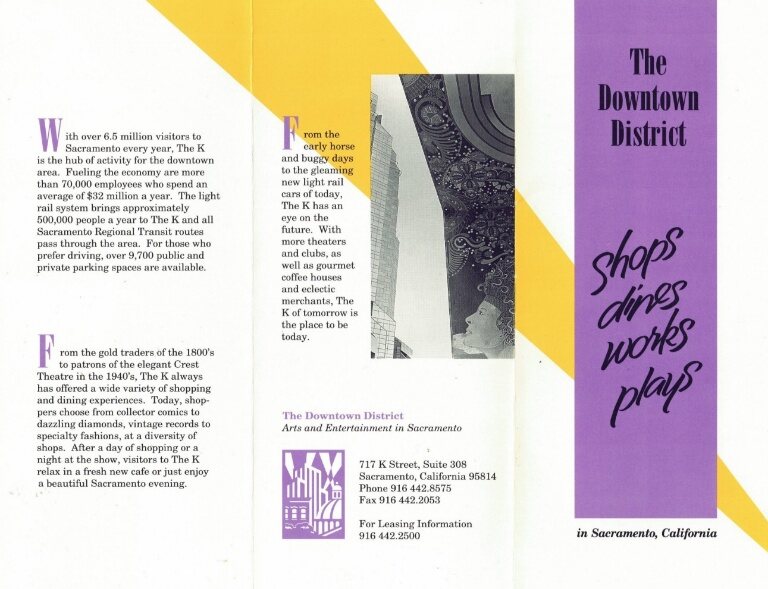
My role extended beyond designing individual buildings. It included sketching, negotiating, coordinating agencies, estimating, receiving approvals, assisting owners and bringing together people and organizations that normally worked separately.
The experience taught me that architecture can extend far beyond the design of a structure. The idea brought people together, the Collaboration transformed the place, and the place restored HOPE again.
The Sacramento experience connected urban renewal with an international cultural initiative.
In 1987, André Parinaud, Commissaire Général des Programmes of the International Association of Art UNESCO in Paris, invited me to serve on the international jury for The Best Posters in the World. The competition/exhibition brought together hundreds of posters from many countries at the Grand Palais in Paris.
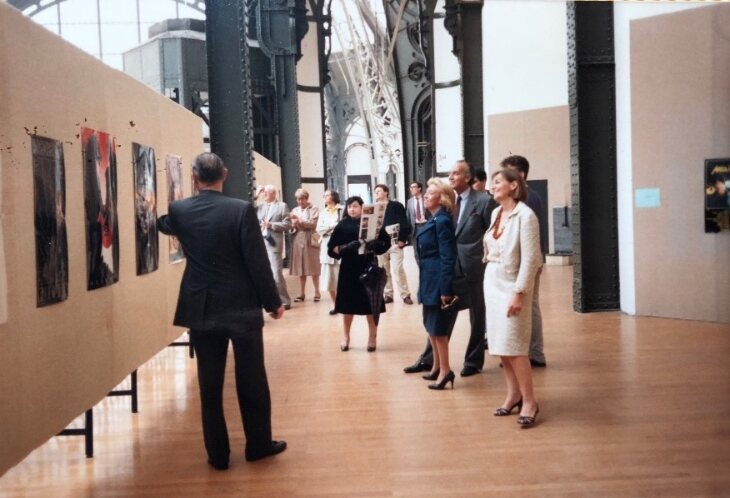
Most Memorable Poster of the World
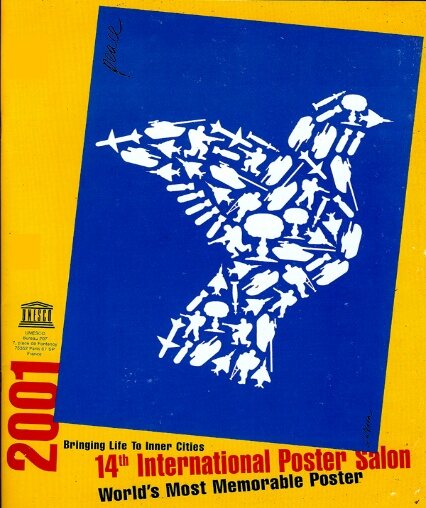
The winner of 2001 competition
The idea born from the boarded storefronts in Sacramento became an international celebration of art and life in inner cities throughout the world. It became an international recognition.
K Street demonstrated something that has continued to guide my work:
People and Places inspire Architecture, Architecture creates Places, Places illuminate Lives.
The project was not simply about restoring buildings or redesigning a street. Architecture became an instrument for helping people act together. It was about discovering what could happen when people find a common purpose.
From a city in crisis to a place for Life.
See the built project: Sacramento Downtown →
See what people say: From a City in Crisis to a Place for Life →